
Household appliances are some of the most important investments homeowners make. From keeping food fresh to washing clothes and dishes, these essential machines help make everyday life more convenient and efficient. While appliances are built to last for many years, their lifespan can vary depending on the brand, quality, maintenance, and frequency of use.
Refrigerators are often among the longest lasting household appliances. A well maintained refrigerator can typically last between 10 and 20 years. Regular cleaning of condenser coils and ensuring proper airflow around the unit can help maximize its longevity and efficiency.
Dishwashers generally have a lifespan of about 8 to 15 years. The lifespan of a dishwasher often depends on how frequently it is used and how well it is maintained. Cleaning filters, using quality detergent, and addressing minor issues early can help extend its useful life.
Washing machines commonly last between 10 and 14 years. Front load and top load washers may have slightly different life expectancies depending on usage patterns and maintenance routines. Avoiding overloading and performing routine cleaning can help reduce wear and tear on internal components.
Dryers typically provide reliable service for 10 to 13 years. Proper vent cleaning is one of the most important maintenance tasks for extending a dryer’s lifespan. A clean vent system not only improves performance but also helps reduce safety risks.
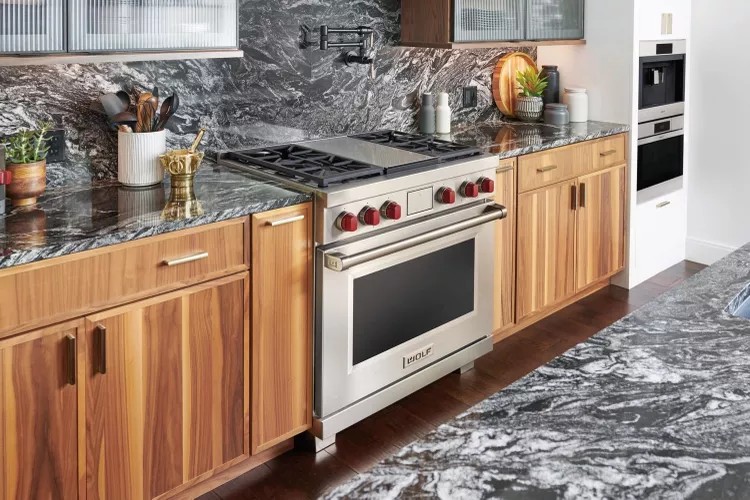
Ranges and ovens are known for their durability. Gas ranges can often last 15 years or more, while electric ranges commonly last between 13 and 15 years. Regular cleaning and prompt attention to repairs can help keep cooking appliances functioning efficiently for many years.
Several factors influence how long an appliance will last. Build quality plays a major role, as higher quality models are often designed with more durable components. Usage habits also matter, as appliances that are overloaded or operated improperly may experience premature wear. Routine maintenance is equally important because small preventative measures can often prevent larger and more expensive repairs later.
When an appliance begins showing signs of age, such as unusual noises, reduced efficiency, or frequent breakdowns, homeowners may wonder whether to repair or replace it. In many cases, evaluating the appliance’s age and repair costs can help determine the most cost effective solution. If an appliance is nearing the end of its expected lifespan and requires significant repairs, replacement may offer better long term value.
Understanding the typical lifespan of household appliances allows homeowners to plan for future replacements and budget accordingly. With proper maintenance and care, many appliances can continue providing reliable performance for years beyond their average life expectancy, helping homeowners get the most value from their investment.
